
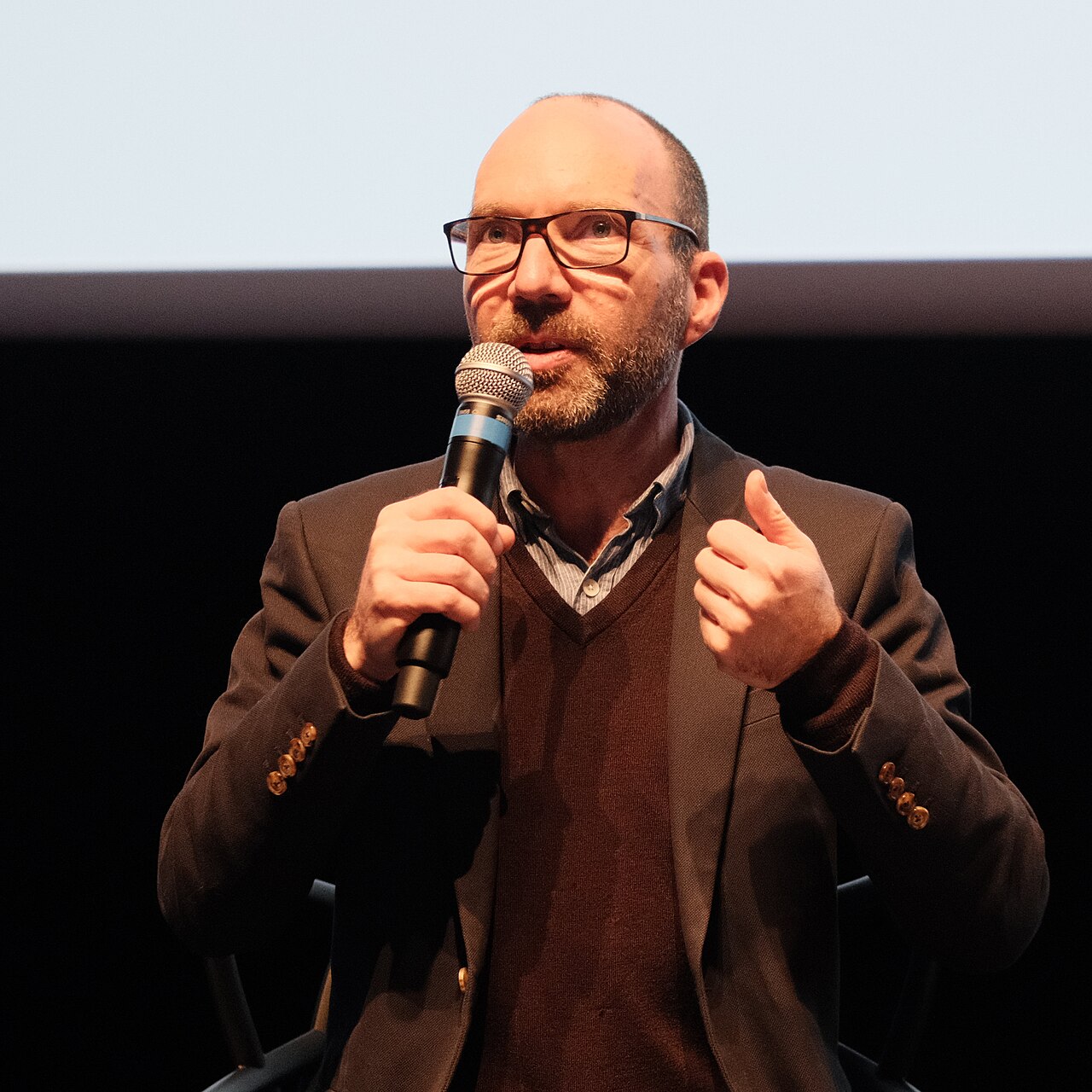
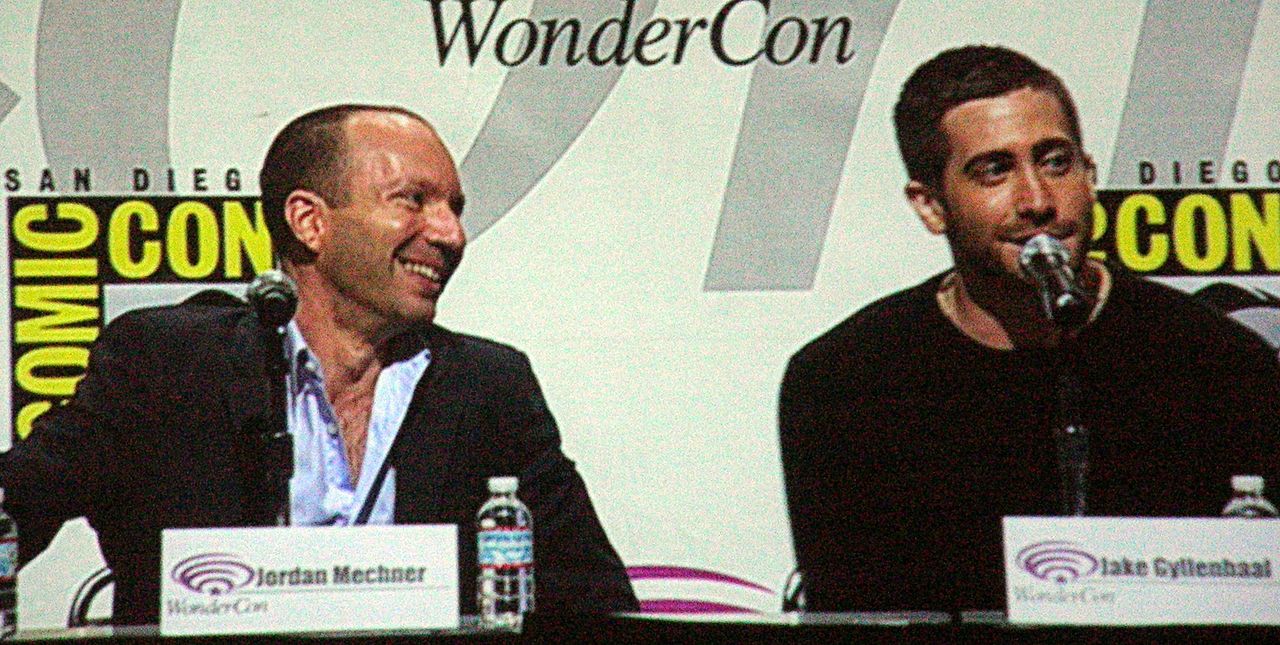
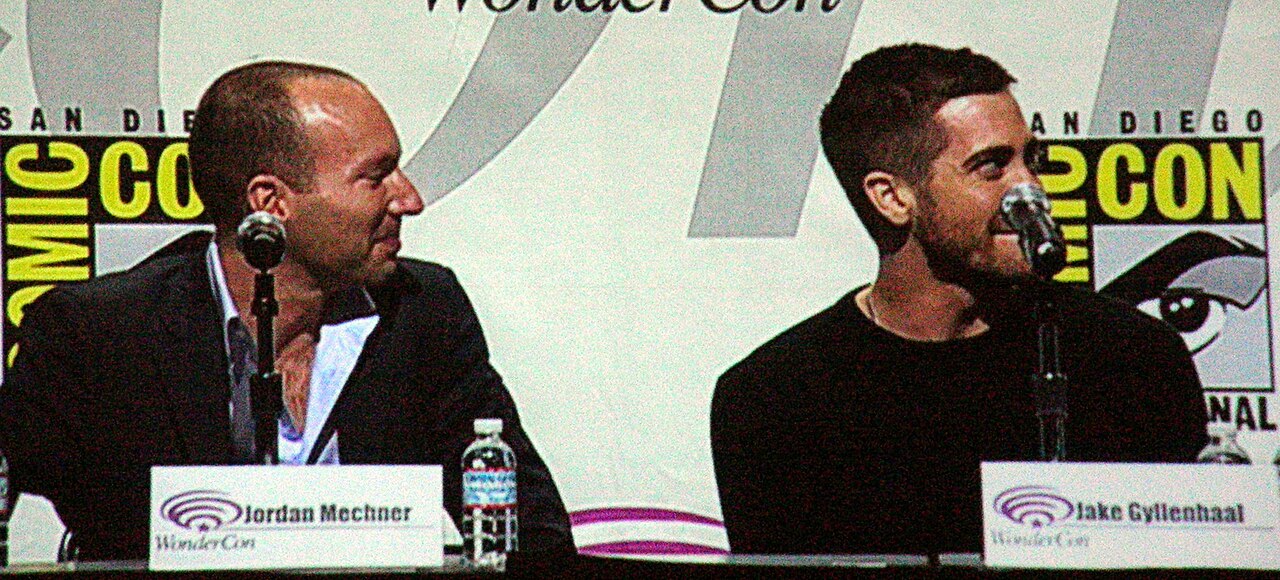
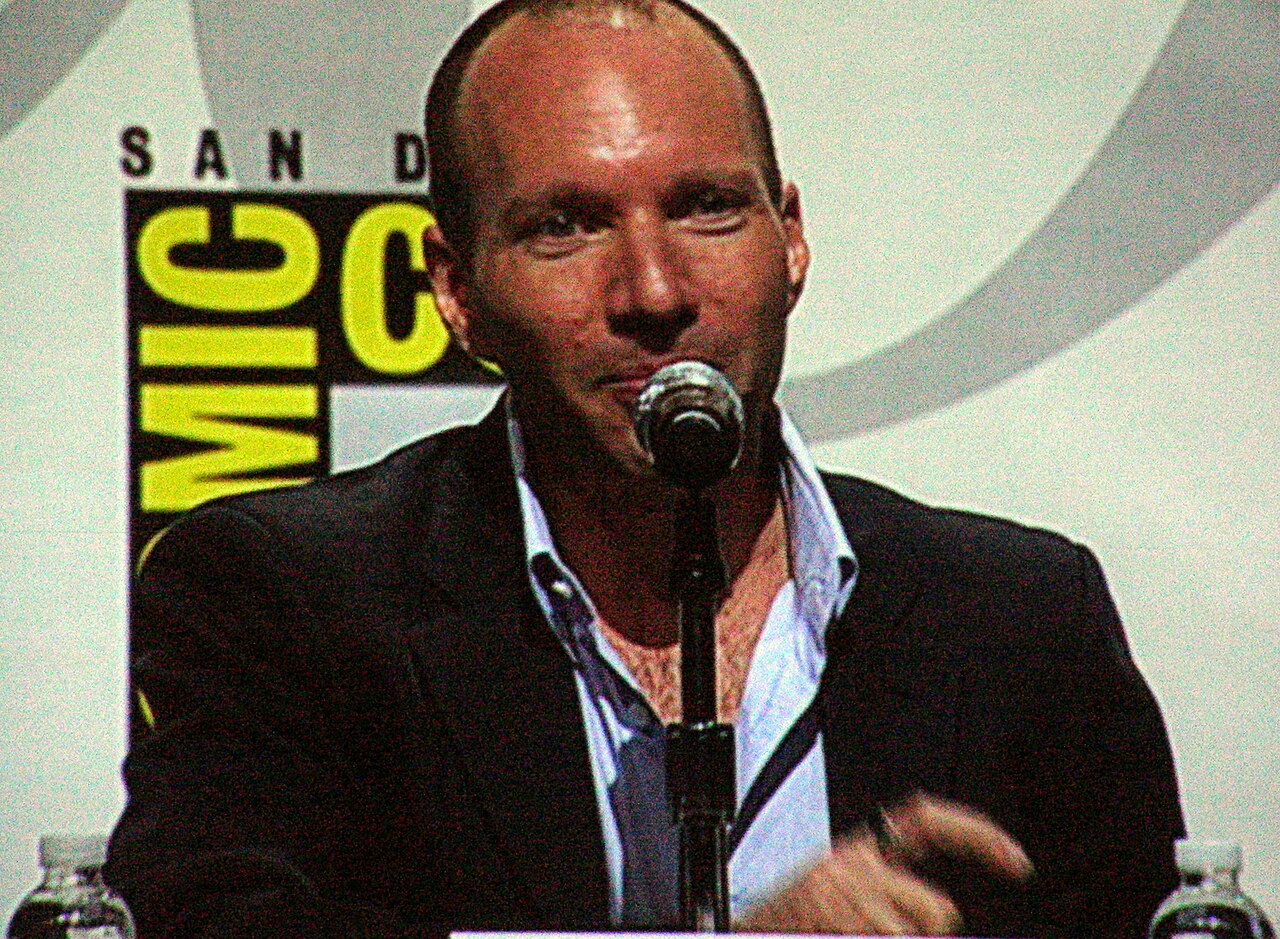
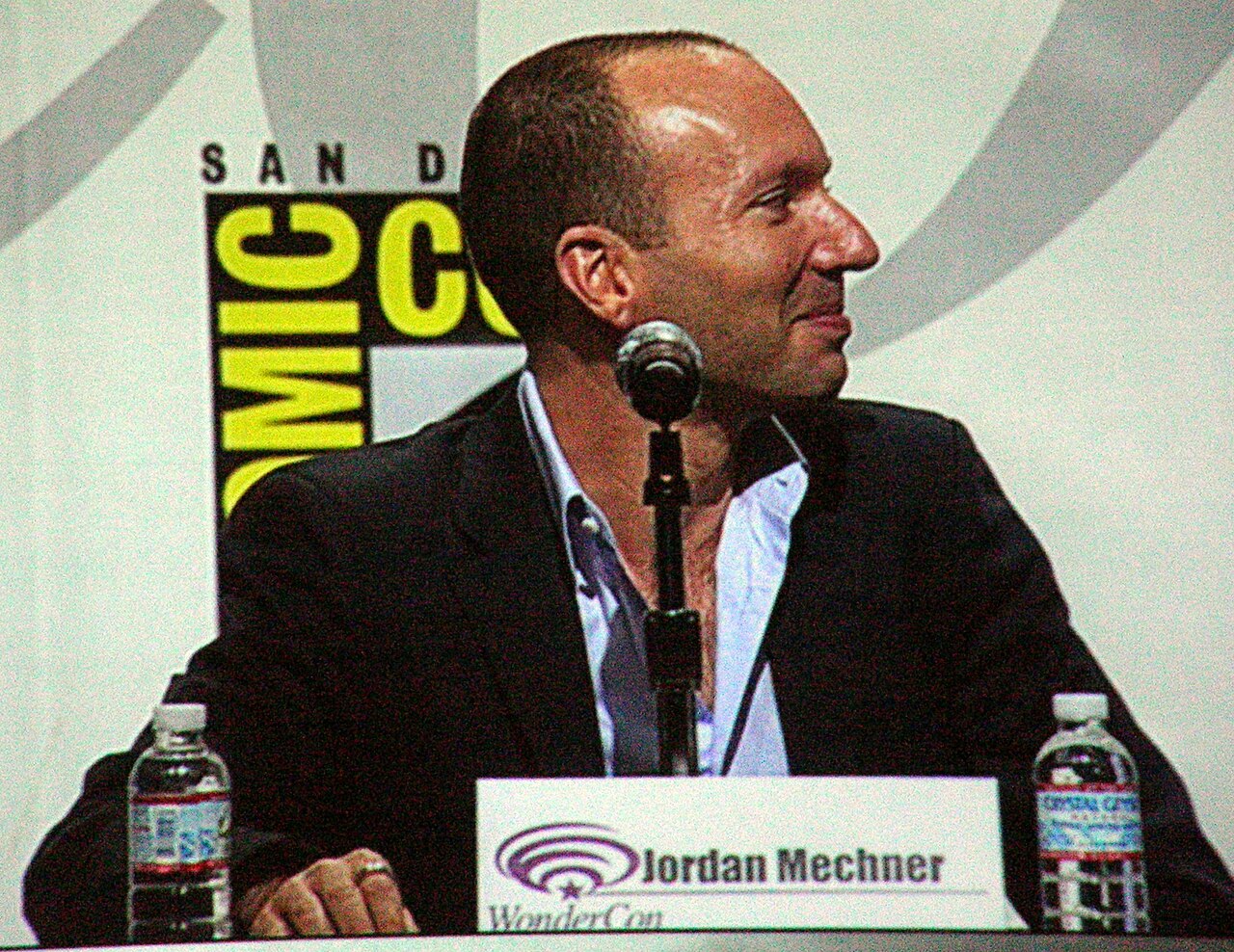
Jordan Mechner
The creator who brought rotoscoped animation and a new vision to the Prince of Persia franchise.

Bellamybj · CC BY-SA 4.0
Jordan Mechner is the creator of the Prince of Persia video game franchise. He created the first game in the series after the success of Karateka. For the original Prince of Persia, Mechner used a technique called rotoscoping to animate the protagonist's movements, with his younger brother David Mechner serving as the physical model for the animation (though the prince's visual design was based on multiple references). Mechner enrolled in New York University's film department, producing an award-winning short film during his time there, before returning to design and direct a sequel to the original game. He originally owned the copyright to the Prince of Persia intellectual property but sold the rights to Broderbund in 1989; the IP was later acquired by Ubisoft. Mechner was brought in as a consultant and designer for the franchise reboot, The Sands of Time, although he was originally wary after the failure of Prince of Persia 3D.
- Role
- Creator, Designer, Director
- Affiliation
- Broderbund, Ubisoft (as creator)
- Key Franchise
- Prince of Persia
- Innovation
- Rotoscoping in video games
- First Major Release
- Prince of Persia (1989)
- Status
- Active
Verified Timeline
Lore & Background
Mechner's original Prince of Persia drew from multiple general sources of inspiration, including the One Thousand and One Nights stories, and films like Raiders of the Lost Ark and The Adventures of Robin Hood. The original Prince of Persia, with its more than 20 platform ports, is one of the most ported games in video game history. Mechner did not take part in the production of the next game, Prince of Persia: Warrior Within, and he commented on finding the dark atmosphere and heightened level of violence unappealing. For The Two Thrones, the developers and artists tried to strike a balance between the light, cartoon-like tones of The Sands of Time, and the grittier mediums of Warrior Within.
In Their Own Story
After the success of Karateka, Jordan Mechner created the first game in the Prince of Persia series. Drawing from multiple general sources of inspiration, including the One Thousand and One Nights stories, and films like Raiders of the Lost Ark and The Adventures of Robin Hood, the protagonist's character animation was created using a technique called rotoscoping, with Mechner using his brother as the model for the titular prince. Mechner enrolled in New York University's film department, producing an award-winning short film during his time there, before returning to design and direct a sequel to the original game. The sequel, Prince of Persia 2: The Shadow and the Flame, was developed internally at Broderbund with Mechner's supervision. Mechner, who owned the Prince of Persia intellectual property, was brought in to work with Ubisoft on a reboot of the franchise, titled The Sands of Time, although he was originally wary after the failure of Prince of Persia 3D. Mechner did not take part in the production of the next game, Prince of Persia: Warrior Within.
Reader's Guide
Jordan Mechner created the original Prince of Persia (1989) after the success of Karateka. He used rotoscoping to create the protagonist's character animation, using his brother as the model for the titular prince. The game was published by Broderbund. Mechner then designed and directed the sequel, Prince of Persia 2: The Shadow and the Flame (1993), which was developed internally at Broderbund with his supervision. After Broderbund was purchased by The Learning Company, which was later acquired by Mattel Interactive, Prince of Persia 3D (1999) was developed and released under Broderbund's Red Orb label. The Broderbund/Learning Company's games division, the assets of which included the Prince of Persia franchise, was subsequently sold to Ubisoft. Mechner, who owned the Prince of Persia intellectual property, was brought in to work with Ubisoft on a reboot of the franchise, titled The Sands of Time (2003). He did not take part in the production of Prince of Persia: Warrior Within (2004).
Did You Know?
- Jordan Mechner used his younger brother David Mechner as the physical model for the prince's rotoscoped animation in the original Prince of Persia, but the prince's visual design was based on multiple references.
- Mechner enrolled in New York University's film department and produced an award-winning short film during his time there.
- Mechner originally owned the copyright to Prince of Persia but sold the rights to Broderbund in 1989; the IP was later acquired by Ubisoft. He was brought in as a consultant and designer for The Sands of Time reboot.
- Mechner did not take part in the production of Prince of Persia: Warrior Within and commented on finding its dark atmosphere and heightened level of violence unappealing.
- The original Prince of Persia, with its more than 20 platform ports, is one of the most ported games in video game history.
Origins and Technical Innovation
Jordan Mechner established the franchise following his success with Karateka, drawing inspiration from One Thousand and One Nights and classic adventure films like Raiders of the Lost Ark. The defining technical achievement of the original 1989 title was its use of rotoscoping for character animation. To achieve this fluid realism, Mechner filmed his own brother performing the movements, which served as the direct model for the titular Prince. This pioneering approach set a new standard for action-adventure games and contributed to the title becoming one of the most ported video games in history across over twenty platforms. After studying film at New York University and creating an award-winning short, Mechner returned to design and supervise the sequel, The Shadow and the Flame. Published by Broderbund, this 1993 entry maintained critical acclaim and strong sales before corporate acquisitions eventually shifted the franchise's ownership from Broderbund to The Learning Company, and later to Mattel Interactive.
The Ubisoft Reboot Era
Following a commercial disappointment with Prince of Persia 3D in 1999, which was criticized for technical bugs, Mechner retained the intellectual property rights. When Ubisoft acquired the assets in 2001, they brought Mechner on board to reboot the series despite his initial wariness regarding the franchise's recent history. Collaborating with the team behind Splinter Cell, they aimed to revitalize the action-adventure genre with Prince of Persia: The Sands of Time in 2003. While Mechner did not participate in the subsequent Warrior Within, he expressed disapproval of its darker atmosphere and increased violence. Developers later attempted a tonal balance for The Two Thrones, blending the lighter style of the reboot with grittier elements. This era also saw the release of The Forgotten Sands in 2010 as a film tie-in, featuring divergent storylines across various console versions to bridge narrative gaps within the trilogy.
Franchise Evolution and Spin-offs
Beyond the main narrative entries, the franchise expanded significantly through spin-offs, remakes, and collections. A turn-based strategy game titled Battles of Prince of Persia was released alongside The Two Thrones for the Nintendo DS, though it received only mediocre critical reception. In 2007, Gameloft partnered with Ubisoft to release Prince of Persia Classic, an enhanced remake of the original title that introduced new features while preserving the core experience. A second major reboot arrived in 2008 under the simple title Prince of Persia; this installment deliberately harkened back to the level and combat design of the 1989 classic, earning positive reviews and decent sales. Ubisoft's Casablanca studio also developed a direct sequel for handhelds called The Fallen King. Additionally, the franchise saw extensive collection releases, including a high-definition trilogy on Blu-ray that supported 3D visuals and trophies, marking a significant milestone as the first Classics HD title not published by Sony.
Legacy and Cultural Impact
The Prince of Persia franchise has transcended gaming to become a multimedia property with a lasting cultural footprint. Outside of video games, the brand expanded into a feature film adaptation, a graphic novel series, and a Lego toyline. The influence of Mechner's original vision is so profound that Ubisoft's Assassin's Creed franchise is widely considered its spiritual successor, inheriting the parkour mechanics and historical settings. Despite these expansions, the core identity remains tied to the action-adventure roots established in ancient and medieval Persia. Even as the series evolved through various developers like Red Orb Entertainment and Avalanche Software, the legacy of the original rotoscoped animation persists. Although a remake of The Sands of Time was announced in 2020, it was ultimately cancelled in early 2026, yet the franchise continues to thrive with new entries like The Lost Crown released in 2024, proving its enduring appeal decades after Mechner's initial creation.
Gallery

Frequently Asked Questions
Who is Jordan Mechner?
He is the visionary American designer behind the creation of the Prince of Persia series. His debut title launched in 1989 and established him as a key figure in early interactive entertainment.
What was his specific role in the games?
Mechner served as the primary creator, designer, and director for the early entries in the series. His hands-on approach ensured that every aspect of development aligned with his original vision for the character and gameplay.
What is his biggest innovation?
Mechner revolutionized character movement by implementing rotoscoping technology within his game engine. By tracing live-action film frames, he created animations that felt far more natural than the pixelated sprites common at the time.
Why is Jordan Mechner important?
Fans regard him as vital because his initial work defined the mechanics and aesthetic of the entire platforming genre for decades. His legacy continues through Ubisoft's stewardship of the franchise he brought to life.
Is Jordan Mechner still active?
While his direct involvement varies by project, Mechner remains an active figure in the industry and retains creative rights to the original concept. He occasionally consults or appears in documentaries regarding the franchise's history and future direction.
More in Development & Legacy
Related in Prince of Persia
Links follow this subject's own source article.
Elsewhere in the Prince of Persia universe
Spotted an error? Know more?
This is a living reference — every entry is fact-audited, and reader corrections feed straight into our audit queue. Suggest an edit · See this site's audit record